
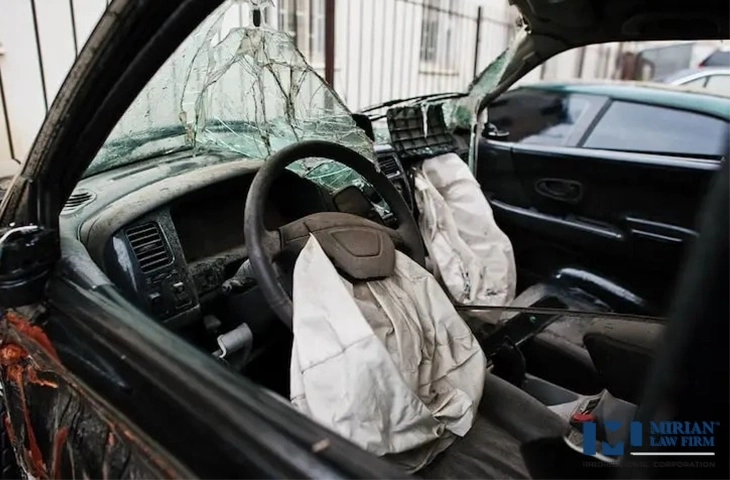
When you are involved in a collision, understanding what constitutes a minor injury is an essential first step toward your recovery. You might casually describe soreness, bruising, cuts, or strains as minor inconveniences. However, Ontario’s auto insurance system evaluates these terms differently. In the legal and insurance context, what are minor injuries in a car accident? The answer relies heavily on the specific framework known as the Minor Injury Guideline (MIG).
This guide explores what Ontario considers a minor injury, common examples of these conditions, how the MIG affects your treatment funding, when an injury might fall outside these guidelines, and the vital steps you need to take following an accident.
Key Takeaways
- A “minor injury” has a specific legal and insurance definition in Ontario, which often differs from how medical professionals or everyday people use the term.
- Ontario’s Minor Injury Guideline (MIG) provides a structured framework funding up to $3,500 plus HST for medical and rehabilitation treatment over 12 weeks.
- Symptoms of minor car accident injuries can evolve or mask more severe underlying conditions, making prompt medical assessment crucial.
- Injuries that initially fall under the MIG can sometimes be reclassified if medical evidence shows persistent symptoms, significant functional limitations, or pre-existing conditions that hinder recovery.
- Navigating a car accident injury claim in Ontario requires careful documentation and an understanding of the current accident benefit rules established as of July 2026.
What Is Considered a Minor Injury After a Car Accident in Ontario?
In Ontario, the Statutory Accident Benefits Schedule (SABS) provides a clear definition for minor injuries. The classification focuses on specific types of trauma that are generally expected to heal with standard, time-limited treatment. Under the SABS, a minor injury typically includes:
- Sprains
- Strains
- Whiplash-associated disorders
- Contusions
- Abrasions
- Lacerations
- Subluxations
- Clinically associated consequences of the injuries listed above
It is important to note that not every sprain, strain, or whiplash injury automatically stays within the MIG classification for the duration of a claim. Medical evidence, your specific circumstances, and your individual recovery process dictate whether your injuries remain within this category.
What Are the Most Common Minor Car Accident Injuries?
Understanding common minor car accident injuries helps you recognize symptoms early and seek appropriate treatment. Even low-speed collisions can result in painful physical setbacks.
Whiplash
Whiplash after a car accident impact is frequent because of the sudden, forceful back-and-forth movement of the neck. Symptoms often include neck pain, stiffness, headaches, and a reduced range of motion. Because adrenaline can mask pain, the effects of whiplash may be delayed for days. In some scenarios, what feels like simple neck strain requires deeper medical review, as it is helpful to know if whiplash and traumatic brain injury share overlapping symptoms that need careful medical diagnosis.
Sprains and Strains
A sprain after a car accident often involves the stretching or tearing of ligaments, which connect bones together. A strain affects muscles or tendons. Both are prevalent in the neck, shoulders, back, wrists, and knees.
Bruises and Contusions
The force of a collision frequently causes passengers to strike interior surfaces. Bruising and contusions commonly result from impacts against seat belts, airbags, dashboards, or doors.
Cuts, Scrapes, and Abrasions
Shattered glass, deployed airbags, loose objects in the cabin, and contact with the vehicle’s interior can cause lacerations and abrasions. While they usually heal predictably, they still require proper cleaning and monitoring for infection.
Minor Joint or Soft-Tissue Injuries
Soft tissue injuries car accident victims experience can cause persistent pain, stiffness, swelling, or temporary physical limitations even without a visible bone fracture. These injuries impact muscles, tendons, and ligaments, requiring structured rehabilitation to restore full mobility.
What Is Ontario’s Minor Injury Guideline?
The Ontario Minor Injury Guideline is a distinct component of the province’s automobile accident benefits system. It is designed to provide a structured, efficient treatment pathway for individuals whose injuries fall precisely within the SABS minor injury definition.
How Much Treatment Is Available Under the MIG?
If your injuries are classified under the MIG, the framework provides up to 12 weeks of treatment. This includes a maximum of $3,500 plus applicable HST dedicated to medical and rehabilitation benefits, subject to specific rules. This funding is strictly intended to cover the cost of approved treatments, such as physiotherapy or chiropractic care. It is not a direct financial compensation payout given to the injured person.
Why Does the MIG Classification Matter?
The MIG car accident framework of Ontario matters because it dictates the administrative process for your recovery. Classification directly affects the scope of available medical and rehabilitation treatment, how your treatment plans are submitted and processed, and the speed of insurer approval. If you require care beyond the 12 weeks or the financial cap, compelling medical evidence is required to access benefits outside the MIG.
Can a Minor Car Accident Cause a Serious Injury?
Yes. The visible severity of a vehicle crash does not always determine the medical severity of the injuries sustained. Minor impacts can cause significant physical trauma. Furthermore, some symptoms are delayed or masked initially by the shock of the event.
Symptoms to Watch For
Prompt medical assessment is vital for any concerning, severe, persistent, or worsening symptoms. Avoid self-diagnosing an injury as minor if you experience:
- Neck, back, or shoulder pain
- Headaches
- Swelling or bruising
- Reduced range of motion
- Tingling or numbness
- Dizziness
- Difficulty concentrating
- Sleep problems
- Persistent or worsening soreness
When Can an Injury Fall Outside the Minor Injury Guideline?
Your initial minor injury classification can be reconsidered if new medical evidence supports a different picture of your health. Your condition may fall outside the minor injury guideline framework of Ontario if you develop persistent symptoms that do not resolve within the expected timeframe, or if you receive a more serious diagnosis from a medical professional.
Additionally, documented pre-existing conditions that demonstrably impair your recovery, significant functional limitations affecting your daily life, or the onset of psychological or neurological symptoms can prompt a reclassification. No single factor automatically removes someone from the MIG, as insurers require thorough medical documentation to approve the transition.
Minor Injury vs. Serious Injury: What Is the Difference?
Understanding the different legal thresholds in Ontario is fundamental to managing your expectations and protecting your rights.
Minor Injury
This classification strictly falls within the SABS minor-injury definition. The recovery process is typically managed through the MIG treatment framework, assuming the patient heals predictably.
Non-Catastrophic Injury
An injury can be more significant than a MIG injury without meeting the strict criteria for a catastrophic impairment. Non-catastrophic injuries require longer recovery periods and grant access to enhanced accident benefits compared to the MIG, funding more extensive rehabilitation.
Serious and Permanent Injury in a Lawsuit
Ontario’s tort system uses a separate legal threshold for non-economic damages, such as pain and suffering. To pursue these damages against an at-fault driver, the injuries must meet the threshold of a serious and permanent impairment of an important physical, mental, or psychological function. These three terms represent distinct legal and insurance categories and are not interchangeable.
What Should You Do After Suffering a Minor Injury in a Car Accident?
Taking the right steps after an accident protects both your health and your legal rights. If you have minor injuries after a car accident, consider these proactive measures.
1. Get Medical Attention
Symptoms can escalate unexpectedly. Even apparently mild injuries should be assessed by a healthcare professional as soon as symptoms arise to establish a baseline for your recovery.
2. Report the Accident and Notify Your Insurer
You must report the collision and promptly notify your insurance provider, in accordance with current Ontario and Financial Services Regulatory Authority (FSRA) requirements. Prompt reporting ensures your claim is opened efficiently.
3. Document Your Symptoms
Keep detailed, ongoing records. Track your daily symptoms, medical appointments, specific treatments received, days missed from work, and any changes in your daily routine. Save all receipts and out-of-pocket expenses related to your recovery.
4. Follow Your Treatment Plan
Attend your appointments and adhere to your doctor’s advice. Consistent documentation of your treatment helps show the clear course of your recovery and proves to the insurer that you are actively trying to heal.
5. Avoid Settling Before You Understand Your Injuries
Symptoms and the broader impact of an injury may evolve over weeks or months. Agreeing to an early settlement before understanding your long-term prognosis can leave you without the resources needed for future care.
6. Get Legal Advice if the Injury or Claim Becomes Disputed
Disputes with insurance companies are common. Seek guidance if your MIG classification is disputed, essential treatment is denied, your symptoms worsen, your ability to work is affected, fault is contested, or the insurer proposes an early settlement.
Can You Receive Compensation for a Minor Car Accident Injury?
Securing minor injury accident benefit compensation in Ontario depends on the specific pathways available under provincial law.
Accident Benefits
Regardless of who caused the collision, you have access to accident benefits through your own auto insurer. Under the rules that took effect in July 2026, medical, rehabilitation, and attendant-care benefits remain mandatory components of every policy. However, access to other specific accident benefits depends entirely on the optional coverage you selected when purchasing your policy.
Claim Against an At-Fault Driver
If another driver caused the accident, a separate tort claim may be available in appropriate circumstances. Ontario applies strict legal thresholds and deductibles for pain-and-suffering damages. Not every minor injury qualifies for a lawsuit against the at-fault driver, which is why a thorough legal assessment is beneficial.
When Should You Speak With a Car Accident Lawyer?
Handling an insurance claim while trying to heal is stressful. Speaking with a personal injury lawyer is a practical step when an insurer disputes the severity of your injuries or your MIG classification. If your treatment is denied, your symptoms become chronic, or your work and ongoing medical needs are significantly affected, legal guidance ensures your rights remain protected. Furthermore, if liability is disputed, a settlement is proposed, or legal deadlines are unclear, a firm experienced in representing car accident victims will advocate on your behalf, allowing you to focus squarely on your health.
Navigating Your Recovery: The True Impact of Minor Car Accident Injuries
The term “minor” has a very specific insurance meaning in Ontario, and initial pain levels do not always predict the length or complexity of your recovery. Thorough medical documentation matters immensely, and persistent or worsening symptoms always deserve further assessment. Never assume an injury is simply a minor inconvenience until you fully understand its impact on your daily life, your career, and your future well-being.
If you are facing challenges with your insurer, dealing with denied treatments, or struggling with injuries that feel anything but minor, you do not have to navigate the system alone. Contact Mirian Law today for a consultation to discuss your situation and explore your options for a fair recovery.
What specific symptoms or insurance challenges are you currently facing that prompted you to look into the Minor Injury Guideline today?