
No one wakes up expecting their day to end on the side of the road. Yet every year in Ontario, thousands of careful drivers find themselves involved in car accidents they didn’t cause. What follows is rarely straightforward. Pain may be delayed. Insurance calls arrive fast. And suddenly, you’re expected to make decisions that could quietly shape your health, finances, and legal rights for years.
This guide isn’t a checklist copied from policy manuals. It’s written for real people in real situations—those trying to do the right thing after a car accident that wasn’t their fault, without making mistakes they didn’t even know were possible.
The First Minutes After the Crash Matter More Than You Think
In the immediate aftermath of a collision, adrenaline often masks pain and clouds judgment. Many people later realize that what felt “minor” at the time was anything but.
Before worrying about blame or insurance, focus on safety. If you can do so without risk, turn off your engine, activate hazard lights, and stay at the scene. Leaving—even briefly—can complicate matters under Ontario’s Fault Determination Rules, even when you did nothing wrong.
Call 911 if there are injuries, blocked roads, or any uncertainty. In Ontario, police must attend when injuries are involved or when damage appears to exceed $2,000. Beyond legality, a police report creates a neutral third-party record that often becomes essential later.
Take photos calmly and thoroughly. Capture vehicle positions, damage from multiple angles, road markings, traffic signs, weather conditions, and anything unusual. Exchange information with other drivers, but avoid discussing fault. Statements made casually in these moments can resurface later in unexpected ways.
If there are witnesses, get their names and contact details. Independent observations often matter more than conflicting driver accounts.
Also Read: What to Do After a Car Accident in Ontario: A Step-by-Step Legal Guide

Your Legal Position When You’re Not at Fault in Ontario
Here’s where many Ontarians feel misled. Being “not at fault” does not mean you avoid dealing with your own insurance company. Ontario operates under a no-fault insurance system, which simply means your insurer pays certain benefits regardless of who caused the crash.
This system provides access to Statutory Accident Benefits (SABS), including medical treatment, rehabilitation, income replacement, and attendant care. These benefits exist even when another driver is entirely responsible.
However, fault still matters—especially if injuries are serious or long-lasting. Fault determines whether you may pursue additional compensation through a lawsuit against the at-fault party.
Many people assume that if the accident wasn’t their fault, everything will “take care of itself.” In reality, deadlines apply quickly. Insurers typically require notice within seven days and completed benefit applications within thirty. Missing these timelines doesn’t automatically end your claim, but it often makes the process harder than it needs to be.
This is often the stage where guidance from a Car Accident Lawyer Ontario can help you understand what applies to your specific situation—not just what’s written in policy language.
Dealing With Insurance Companies the Smart Way
Insurance adjusters are trained to sound friendly, efficient, and reassuring. Most are doing their jobs—not trying to trick you—but their role is to manage risk for the insurer, not to advocate for your recovery.
Be factual, not speculative. If you don’t know something, say so. Avoid minimizing your condition with phrases like “I’m fine” or “It’s probably nothing.” Injuries such as whiplash, soft tissue damage, or concussions often emerge days later.
Recorded statements are commonly requested, but they’re rarely urgent. You’re allowed to take time, especially if you’re still shaken or in pain. Rushing into detailed explanations can unintentionally create inconsistencies that complicate your claim.
Keep copies of everything—emails, forms, medical notes, receipts, and appointment summaries. Small gaps in documentation can raise questions later, even when your story hasn’t changed.
When communication becomes overwhelming or confusing, consulting a Personal Injury Lawyer Ontario can bring clarity and relieve pressure before issues escalate.
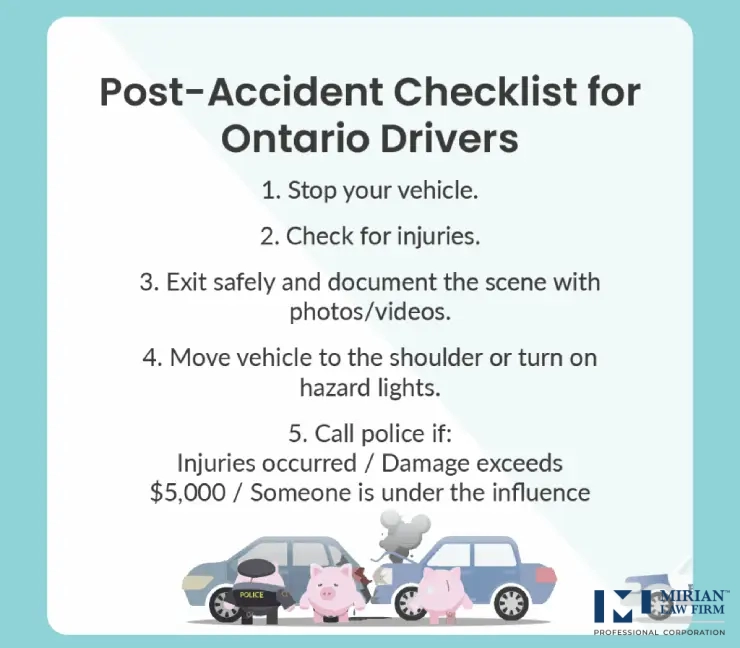
A Quick Checklist to Protect Yourself After a Not-At-Fault Accident
Right after the accident, pause and make sure you’ve done these things:
- ✔️ You stayed at the scene and ensured everyone was safe
- ✔️ Police were called if there were injuries or significant damage
- ✔️ Photos were taken of vehicles, road conditions, and surroundings
- ✔️ Contact details were exchanged (drivers + witnesses)
- ✔️ You avoided discussing fault or apologizing
- ✔️ Your insurer was notified within the required timeframe
- ✔️ You sought medical attention—even if symptoms felt minor
If you’re missing one or two of these, it doesn’t mean your case is lost. It simply means you should slow things down and get proper guidance before moving forward.
Also Read: How to Deal with Insurance After a Car Accident
Medical Care, Documentation, and Why Delays Matter
One of the most common regrets people express after an accident is waiting too long to see a doctor. Pain isn’t always immediate. Some injuries whisper before they scream.
Seek medical attention as soon as possible, even if symptoms seem manageable. Emergency care is covered by OHIP, but ongoing treatment and rehabilitation rely heavily on documented medical findings.
Medical records do more than guide treatment. They establish timelines, connect injuries to the collision, and support insurance benefits. This becomes especially important in cases involving cognitive symptoms such as headaches, memory issues, or concentration problems. These are often underestimated early on but can significantly affect daily life.
Lawyers who handle serious injury cases, including Brain Injury Lawyer Ontario matters, frequently see claims challenged simply because early symptoms weren’t documented clearly enough.
Consistency matters. Attend follow-up appointments, follow treatment plans, and communicate changes honestly. Gaps in care—even when unintentional—can be misinterpreted later.
What If the Accident Affects Your Life Weeks or Months Later?
Not all consequences appear right away. Some people return to work quickly, only to realize weeks later that pain, fatigue, or anxiety makes daily tasks harder than before.
You might notice difficulty sitting or standing for long periods. Driving may trigger stress. Sleep patterns change. These aren’t failures—they’re signals.
If injuries interfere with your ability to work, accident benefits may include income replacement. In more complex cases, disability coverage becomes part of the picture. Navigating this overlap is rarely simple, which is why some people seek advice from a Short-Term Disability Lawyer Ontario.
Common Mistakes That Quietly Damage Legitimate Claims
Most claim problems don’t come from dishonesty. They come from assumptions.
Delaying treatment, skipping appointments, or posting casually on social media can all raise questions about the severity of injuries. Even unrelated activities can be misunderstood when taken out of context.
Another common mistake is assuming all injuries are obvious. Secondary injuries—such as falls caused by post-accident instability—can complicate recovery. In such cases, people sometimes need guidance from a Slip and Fall Lawyer Ontario.
When Legal Help Becomes More Than Optional
Not every car accident requires a lawyer. But certain signs suggest you shouldn’t navigate alone:
- Injuries persist beyond a few weeks
- Benefits are delayed or denied
- Fault is disputed
- You feel pressured to settle quickly
Legal guidance isn’t about confrontation. It’s about understanding your options before decisions become irreversible.
At Mirian Law, the focus is practical: helping clients see the full picture so they can make informed choices, not rushed ones.
When injuries lead to lasting limitations, support from a Physical Disability Lawyer Ontario can help ensure your condition is properly recognized and addressed.
If you remember nothing else after a car accident that wasn’t your fault, remember this:
Don’t rush. Don’t minimize what you’re feeling. And don’t assume the system will automatically protect you just because you did nothing wrong.
In Ontario, the right outcome usually goes to the person who slows down, documents carefully, and asks the right questions before making big decisions.
Sometimes, protecting your future isn’t about acting fast.
It’s about acting deliberately.
Frequently Asked Questions
If the accident wasn’t my fault, do I still contact my insurer?
Yes. Ontario’s system requires you to work through your own insurer for accident benefits.
Can I sue the at-fault driver?
In cases involving serious or permanent injuries, additional compensation may be available.
What if symptoms appear days later?
Seek medical care immediately and update your insurer as soon as possible.
Will my insurance premiums increase?
Generally, premiums do not increase if you’re found not at fault.
When should I speak to a lawyer?
If recovery isn’t straightforward or benefits become complicated, early advice can help.
Final Thoughts and Next Steps
A car accident that wasn’t your fault can still change your life in ways you didn’t anticipate. The right steps—taken calmly and early—can protect your health, your finances, and your peace of mind.
If you’re unsure where you stand, Mirian Law can help you understand your options under Ontario law—clearly, honestly, and without pressure.
Sometimes, the smartest move after an accident isn’t doing more.
It’s making sure you don’t do the wrong thing too soon.
Contact Mirian Law Firm today for a free consultation. We assist clients in Thornhill, Vaughan, Richmond Hill, Markham, North York, Toronto, and across the GTA.
📞 Call: 647-556-5888
📧 Email: info@mirianlaw.com
🌐 Visit: mirianlaw.com Free consultation. No fees unless we win.