
Rush hour on the 401. Your bumper’s crumpled, hands shaking, horn behind you blaring. In Ontario, the costliest claim mistakes happen in the first 24 hours. Report at a Toronto Police Collision Reporting Centre (CRC, the non-emergency crash office) or to the Ontario Provincial Police (OPP) and avoid insurer traps. We’ll guide you—protecting your SABS benefits (Statutory Accident Benefits Schedule) and pushing back if you’re mislabelled under the Minor Injury Guideline (MIG). So what should you do in the first 24 hours?
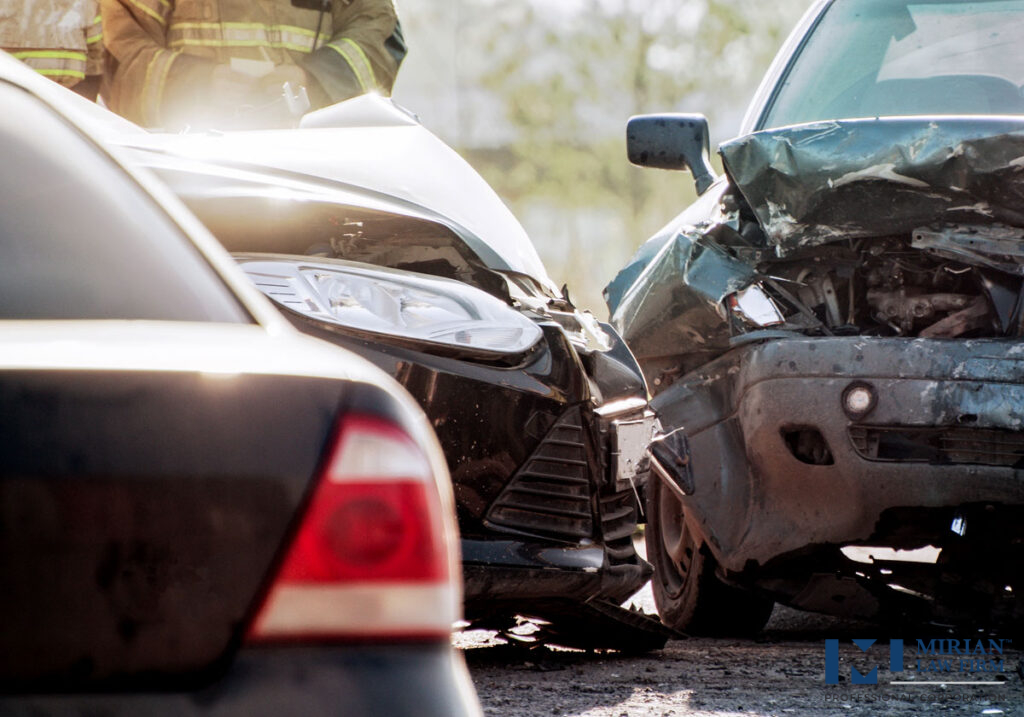
Table of Contents
The first 24 hours in Ontario: why small mistakes become big problems
Since you just asked for our first‑24‑hours checklist, here’s the Ontario playbook in plain English. The Highway Traffic Act (HTA, Ontario’s road rules) says you must stop, exchange information, and report collisions. If police don’t attend, most urban areas require a Collision Reporting Centre (CRC, the non‑emergency crash office) visit within 24 hours. Your benefits come through the Statutory Accident Benefits Schedule (SABS, medical and income supports after crashes). To trigger SABS, notify your auto insurer within 7 days and complete the OCF‑1 (Application for Accident Benefits form) promptly. Keep it simple: safety first, create the official record, then open benefits.
Example: A Hwy 401 pileup with injuries calls for 911 immediately; police will manage the scene and reports. A minor fender‑bender on Queen St W with drivable cars and no injuries? Head to a CRC within 24 hours. In Toronto, that might be the Scarborough CRC; in Peel, the Mississauga CRC. Thresholds matter: if combined property damage appears $2,000 or more, call police non‑emergency at the scene; they’ll direct you. Any injury, suspected impairment, or hazards always elevates to police. Bottom line: injuries or danger = police; no injury and drivable = CRC.
Top 12 mistakes Ontarians make after car accidents (and how to avoid them)
Each mistake includes the fix so you can course‑correct today. Skim now, save it for later, and apply the first relevant fix immediately.
- Not reporting at a Collision Reporting Centre within 24 hours; fix: go to the nearest CRC today, even if late, and explain the delay.
- Apologizing or admitting fault at the scene; fix: exchange facts only—licence, insurance, ownership—and let insurers and police determine fault later.
- Skipping medical assessment because you feel fine; fix: see your GP (family doctor) or ER (emergency room) same day and document all symptoms.
- Giving a recorded statement to the at‑fault insurer; fix: speak to your own insurer and a lawyer first, then provide only necessary information.
- Relying on a handshake deal for repairs; fix: report to police/CRC and your insurer to create an official record and protect coverage.
- Failing to photograph vehicles, positions, weather, and road signs; fix: take wide and close shots immediately, plus dashcam and nearby storefront cameras.
- Posting about the crash on social media; fix: avoid posts, set accounts private, and don’t engage with DMs about the collision.
- Missing insurer timelines (7‑day notice, 30‑day OCF‑1); fix: call claims the same day and calendar every deadline.
- Not keeping receipts for taxis, meds, and income loss; fix: start a simple expense file and symptom diary today.
- Driving away from a hit‑and‑run without calling police; fix: report immediately, stay if safe, and get a report number.
- Letting the other driver handle rental or repairs; fix: go through your insurer to preserve your benefits and rights.
- Assuming minor pain isn’t compensable; fix: track symptoms daily—chronic pain often emerges days or weeks later.
Why these mistakes snowball with Ontario insurers and the law
Insurers compare your story, the Collision Reporting Centre report, and medical records line by line. If your first note says “no pain” but you later report neck pain, they argue causation (what caused the injury) and necessity of treatment under the Statutory Accident Benefits Schedule (SABS, Ontario’s benefits rules). No CRC report? Liability becomes a he‑said, she‑said. Gaps in care let adjusters say you recovered, pushing you into the Minor Injury Guideline (MIG, capped treatment funding) even when you shouldn’t be there. Conflicting statements or missing forms also affect fault assessment and settlement value in the tort claim (the lawsuit against the at‑fault driver). Consistency wins.
Real Ontario patterns: Late notice on a Sunday rear‑end on the DVP (Don Valley Parkway) causes delays opening benefits; you lose weeks of income support while forms bounce back. A recorded statement after a 407 ETR (Express Toll Route) sideswipe includes “I’m fine,” which later gets quoted to deny physio because your pain “resolved.” A smiling Lake Shore/Gardiner selfie the next day—posted to reassure family—shows up in surveillance to question your limitations. Miss a Scarborough CRC visit after a mall‑lot crash and the adjuster disputes impact severity. None of these end the claim, but they raise hurdles, cost time, and reduce leverage. We fix records early.
Your Ontario Crash‑Proof Plan: 10 steps to protect your claim today
Follow this sequence whether you’re in Toronto, Mississauga, Brampton, Vaughan, or Markham. It works roadside and the next morning—just tick each step and breathe.
- Ensure safety and call 911 for emergencies (injury, fire, danger); otherwise move to a safe spot and turn on hazards.
- Call local police non‑emergency if injuries or $2,000+ damage; follow operator directions for on‑scene attendance or CRC reporting.
- Exchange info strictly by the book: licences, insurance, ownership, and plates; avoid opinions, blame, or apologies.
- Document the scene: positions, damage, road signs, weather, lighting, injuries, and any dashcam captures.
- Check for cameras (storefronts, TTC (Toronto Transit Commission) or GO (regional transit) lots); politely ask owners to preserve footage and note contact details.
- Visit a hospital or your family doctor the same day; describe every symptom, including headaches, dizziness, sleep issues, and anxiety.
- Attend a Collision Reporting Centre within 24 hours if police were not on scene; bring documents, photos, and witness details.
- Notify your insurer within 7 days; open a benefits claim, get a claim number, and request the OCF‑1 (Application for Accident Benefits).
- Start an evidence file: receipts, mileage, medications, employer notes, pay stubs, and a daily pain and symptom diary.
- Consult an Ontario personal injury lawyer early to manage statements, forms, and time limits; contingency fees mean no upfront cost.
Who to call in Ontario: 911, non‑emergency police, or a Collision Reporting Centre?
Use this quick guide for Toronto, Mississauga, and Brampton. Match your situation and follow the contact path and timing.
| Scenario in Ontario | Who to Contact | Timeline | Where to Go | Key Notes |
|---|---|---|---|---|
| Injury suspected or hazards, e.g., Hwy 401 multi‑vehicle crash | Call 911 | Immediate | Stay at scene; EMS (paramedics) arrive | Safety first; follow instructions |
| No injury but $2,000+ property damage | Local police non‑emergency line | Call from the scene | As directed; may attend a CRC | Operator will advise next steps |
| Minor fender‑bender, no injuries | Collision Reporting Centre (CRC) | Within 24 hours | Nearest CRC, e.g., Toronto Police CRC | Bring licence, ownership, insurance, photos |
| Hit‑and‑run or the other driver flees | 911 if danger; otherwise non‑emergency | Immediately | As instructed; police or CRC | Get police report number for insurer |
| Parked vehicle damage discovered later | Collision Reporting Centre | Within 24 hours | Any CRC in your region | Required for insurance documentation |
Ontario crash timeline: the deadlines that protect your benefits and rights
Since that CRC visit is required for insurance documentation, here’s the rest of the Ontario calendar you can’t miss. These are typical timelines—facts vary. Call us to confirm your exact dates; insurer requests and municipal rules can change fast.
| Requirement | Ontario Deadline | Form/Office | If You Miss It | Pro Tip |
|---|---|---|---|---|
| Notify your auto insurer of the collision | Within 7 days (or as soon as practicable) | Your insurer’s claims line | Delays; possible denial if insurer is prejudiced | Call ASAP and record the claim number |
| File CRC report if police did not attend | Within 24 hours | Collision Reporting Centre (CRC) | Ticket; insurer may raise coverage or liability issues | Go even if late—better than no report |
| OCF‑1 Application for Accident Benefits | Within 30 days of receiving the forms | Your auto insurer | Benefits delayed or denied until it is filed | Ask insurer for help completing the form |
| Provide medical/OCF forms, e.g., OCF‑3 (Disability Certificate) | As requested; OCF‑3 often due in 10 business days | Treating provider and your insurer | Benefits may be suspended or reduced until received | Keep copies; set reminders; confirm receipt with adjuster |
| Sue at‑fault parties (tort claim) | Within 2 years from the accident (usually) | Ontario courts (Superior Court of Justice) | You may lose the right to sue if late | Consult early; discoverability and municipal notice rules vary |
Ontario do’s and don’ts that protect your claim
Because notice rules and timelines vary, let’s turn those deadlines into daily habits. Here are two quick Ontario checklists we use—do’s and don’ts—so insurers see consistency, not gaps. Save this, follow it, and protect your claim value.
- Start a symptoms diary the same day and update daily.
- Ask your doctor for a clear treatment plan and follow it.
- Send your insurer documents via email so there is a timestamped trail.
- Back up photos and dashcam files to the cloud.
- Ask nearby businesses to preserve CCTV (security camera footage) for at least 30 days.
- Record witness names and phone numbers in your phone and on paper.
Now the pitfalls. These are the small missteps Ontario insurers seize on to question causation, necessity of treatment, or fault. Avoid them and you keep leverage, credibility, and access to benefits like income replacement.
- Do not sign releases from the at‑fault insurer without advice.
- Do not skip the CRC (Collision Reporting Centre) because damage seems minor.
- Do not delay first medical visit or physiotherapy referrals.
- Do not rely on the other driver’s promises for repairs.
- Do not argue fault at the scene or on social media.
- Do not ignore new symptoms like headaches or sleep issues.
Chronic pain in Ontario car accidents: why “I’m fine” today can change tomorrow
Those headaches or sleep issues you noticed today aren’t minor—they’re often the first signs of delayed injury. Whiplash (neck/soft‑tissue strain) and concussions (mild brain injury) commonly flare 48–72 hours after a crash and can progress into chronic pain that disrupts work and daily life. We see it all the time: day 1 feels okay, day 3 brings neck stiffness and headaches, and by week 2 there’s radiating arm pain or tingling. See your family doctor or an ER (emergency room) within 24 hours and keep follow‑ups. Tell providers every symptom. Start a daily diary, save receipts, and ask for referrals to physio, concussion care, and pain specialists. Strong records help us challenge MIG (Minor Injury Guideline cap) when appropriate.
If your symptoms are escalating or an insurer is pushing you into the MIG, speak with our chronic pain lawyers in Toronto
team. We’ll review records, line up assessments, and protect your benefits—free consultation, no upfront fees.
Psychological injuries are real: how to document anxiety, PTSD, and sleep disturbance
Your symptoms may be escalating—and it’s not just your neck; your mind can be injured too. Anxiety, PTSD (post‑traumatic stress disorder), nightmares, and hypervigilance often appear days later as adrenaline fades. Tell your family doctor and ask for referrals to counselling, a psychologist, or psychiatrist; consistent notes drive SABS (Statutory Accident Benefits Schedule) supports like IRB (Income Replacement Benefit) and NEB (Non‑Earner Benefit). Track specifics: panic episodes, sleep interruptions (awake at 3 a.m., 4 nights this week), missed shifts, and how chores or childcare are affected. Keep a diary and attend therapy regularly. Avoid “I’m fine” posts on social media—insurers use them to minimize your losses. Pedestrian or cyclist? Your reporting path and benefits priority differ—next section covers it.
If this resonates, talk to our psychological injury lawyers in Toronto we coordinate assessments, secure benefits, and protect your privacy. Free consultation, no upfront fees.
Pedestrians, cyclists, and transit riders: Ontario rules and benefits you need to know
Everything we said about documenting psychological symptoms still applies—but if you were on foot or a bike, your filing path is different. You still qualify for SABS (Statutory Accident Benefits Schedule—medical, rehab, and income benefits). Report the collision to police or a Collision Reporting Centre (CRC—non-emergency crash office), get medical care the same day, and collect witness and camera details. File benefits first with the at-fault driver’s insurer; if you have your own auto policy, priority rules may route the claim to your insurer. No insurance or hit-and-run? We pursue MVACF (Motor Vehicle Accident Claims Fund—last-resort coverage). Transit involved? Report to TTC (Toronto Transit Commission)/GO (regional transit) immediately and request incident and camera numbers. We’ll guide each step.
Unsure which insurer is responsible or how MVACF works? Talk to our pedestrian accident lawyers in Toronto for fast, clear next steps.
When injuries are catastrophic: higher benefits and stricter proof
If you’re unsure which insurer is responsible, the stakes jump when injuries are catastrophic. Under Ontario’s SABS (Statutory Accident Benefits Schedule), “catastrophic impairment” means the most serious outcomes—severe brain or spinal cord injury, amputation, loss of vision, or very high whole‑person impairment, including marked/extreme psychological impairment. For example, a high‑speed impact causing a severe traumatic brain injury may meet CAT status. When you’re found CAT, benefit limits expand dramatically: up to $1,000,000 lifetime for medical/rehab and attendant care, plus case management, and home or vehicle modifications. But CAT isn’t automatic; it requires specialized assessments, tight timelines, and meticulous records—insurers often push back. Call us early; we coordinate the right experts and preserve proof from day one. Next, we’ll show the evidence that moves CAT decisions.
Talk to our catastrophic injury lawyers in Toronto for urgent guidance on assessments, timelines, and benefits. We’ll confirm eligibility, line up specialists, and protect your income while treatment begins—free consultation, no upfront fees.
The Ontario evidence checklist: what to collect and keep
While we line up specialists and protect your income, the next move is building proof. What convinces insurers and courts? Organized evidence showing causation, damages, and credibility—dusk photos for glare, doctor notes for symptoms, pay stubs for missed shifts.
- CRC (Collision Reporting Centre) report, occurrence number, and officer card details.
- All photos/videos: scene, vehicles, injuries, dashcam, and CCTV (security camera) requests.
- Medical records: ER (emergency room) notes, family doctor, diagnostics, referrals, treatment plans.
- Prescription and over‑the‑counter receipts, therapy invoices, and mileage logs.
- OCF (Ontario Claims Form): OCF‑1, OCF‑3, OCF‑6; copies of submissions and dates.
- Insurer correspondence: claim number, adjuster emails, call logs, and decisions.
- Work records: pay stubs, ROE (Record of Employment), duties lists, and missed‑time letters.
- Home impact notes: housekeeping limits, childcare gaps, support needs, and related receipts.
- Witness names, phone numbers, emails, and brief statements if available.
- Vehicle estimates, repair invoices, rental authorization, and return receipts.
Three GTA crash stories: the mistake, the fix, the outcome
Those repair invoices and rental receipts you saved? They turned a North York rear‑end on the DVP (Don Valley Parkway) around. The driver missed the CRC (Collision Reporting Centre) within 24 hours, so the insurer downplayed the impact. We filed late at the CRC with timestamped photos, dashcam clips, and shop estimates, then expedited a GP visit, physio referral, and an OCF‑3 (Disability Certificate) for whiplash and concussion symptoms. Outcome: treatment funding moved beyond MIG (Minor Injury Guideline) limits and income support opened within 14 days.
At a Brampton intersection T‑bone, the driver gave a recorded statement to the other insurer before calling us. We stepped in, stopped further contact, obtained the audio, and issued a written clarification aligning with the CRC report and ER (emergency room) notes. Then we opened SABS (Statutory Accident Benefits Schedule—Ontario accident benefits) with the client’s own insurer, filed the OCF‑1 (benefits application) and OCF‑3, and built a work‑loss file with employer letters and pay stubs. Outcome: IRB (Income Replacement Benefit) approved, and the tort case regained leverage.
A Scarborough pedestrian focused on an ankle sprain and ignored growing panic and insomnia. Three weeks in, we documented psychological injuries: GP note, counselling referral, and a psychologist’s assessment for PTSD (post‑traumatic stress disorder) and anxiety. With a daily diary and witness letters about startle responses and missed shifts, we secured NEB (Non‑Earner Benefit) while treatment continued and pushed back on stigma‑based denials. Result: therapy funded, meds covered, and the tort claim properly valued for mental health impacts.
Need this kind of help now? Talk to our personal injury lawyer in Toronto team for a fast, free review. We’ll confirm deadlines, send a checklist, and map your next two steps—no upfront fees
FAQs Ontarians ask after a car accident (edge cases included)
While we’re mapping your next two steps, you likely have what‑ifs. Here are quick, Ontario‑specific answers—no jargon, just action. If your scenario isn’t listed, call us and we’ll give you a same‑day plan.
- Q: Hit‑and‑run, no witnesses—am I stuck? A: No. Report immediately to police and a Collision Reporting Centre (CRC). Notify your insurer within 7 days and open accident benefits (SABS—Ontario benefits). If no insurer, we notify the Motor Vehicle Accident Claims Fund (MVACF) fast.
- Q: I was in an Uber/Lyft—who covers me? A: Report through the app immediately and note the trip ID number. Rideshare policies sit primary during trips; personal policies can still be involved. Open accident benefits (SABS) right away and get advice on priority.
- Q: A Quebec driver hit me in Toronto—whose rules? A: Ontario applies. You access Ontario accident benefits (SABS) and sue under Ontario law, even if the other driver is insured elsewhere. Notify your insurer within 7 days and get the police/CRC report.
- Q: I was driving a company vehicle—who goes to the CRC? A: You do, unless police attended. Bring licence, ownership, insurance, and employer details. Notify your employer/fleet and the company’s insurer immediately so benefits and repairs open promptly.
- Q: Fender‑bender, then headaches two days later—too late? A: No. See your doctor now and report at a CRC, even late. Explain the delay. Start accident benefits (SABS), document symptoms daily, and ask for a concussion referral.
- Q: Do I have to use the insurer’s preferred body shop? A: No. You can choose any licensed shop. Get two estimates, keep photos and invoices, and coordinate rental authorization through your insurer to protect coverage.
- Q: The other insurer keeps calling—should I give a recorded statement? A: Decline politely. Share basics only after advice. Provide statements to your own insurer first; we handle communications and written clarifications so your words can’t be twisted.
- Q: The other driver is uninsured—what now? A: Notify your insurer immediately and open an accident benefits (SABS) claim. Your policy’s uninsured/underinsured coverage responds, and we preserve rights against the Motor Vehicle Accident Claims Fund (MVACF) if needed.
Meet Mirian Law Firm: Ontario‑focused personal injury advocates
Uninsured driver questions, SABS (Statutory Accident Benefits Schedule) forms, MVACF (Motor Vehicle Accident Claims Fund) deadlines—this is our daily work. We run your injury case, accident benefits, and disability claim together so your income is protected while you heal. One team coordinates treatment records, OCF‑3 (Disability Certificate) timing, and negotiations—no paper chase for you. We’re Toronto/GTA based, serving all of Ontario by phone, video, or in person. Free consultation, contingency fee (no fees unless we win), and multilingual support. Most people feel calmer after one call—clear deadlines, a checklist, and two concrete next steps.
See how our personal injury law firm aligns SABS, tort (the lawsuit against the at‑fault driver), and disability strategies—so your case moves forward with one clear plan.
Talk to a lawyer before you talk to the insurer
Since your case works best when accident benefits (Statutory Accident Benefits Schedule, SABS), tort, and disability move under one plan, want help locking in your dates now? Book a quick, no‑pressure call. In 10 minutes, we’ll confirm your 7‑day notice and 30‑day application windows, send the first‑24‑hours checklist, and map your next two steps. We can also draft what to say to the insurer so you don’t over‑share. No upfront fees. If we’re not a fit, you still leave with a plan.
Prefer to read first? Speak with a personal injury attorney who will map your forms, deadlines, and next steps in plain English.
Injured in a car accident in Ontario? Let’s protect your claim today
Ready for your free Ontario case review? We’ll jump on a 10–15 minute call, confirm your 7‑day notice and 30‑day OCF‑1 (benefits application) dates, and send a one‑screen checklist by text—today. Free consultation, no win‑no fee (contingency), and fast responses from a Toronto‑based team serving the GTA and all of Ontario by phone or video. Not sure where to start? We align your injury, accident benefits (SABS), and disability claims so your income stays protected while you heal. Example: we can draft what to say to the adjuster and book your first assessment the same day.
Prefer to message first? Connect with our car accident lawyers in Toronto team—same-day answers, free consult, no upfront fees.