
What Are Your Rights After a Car Accident in Ontario? A Complete Legal Guide
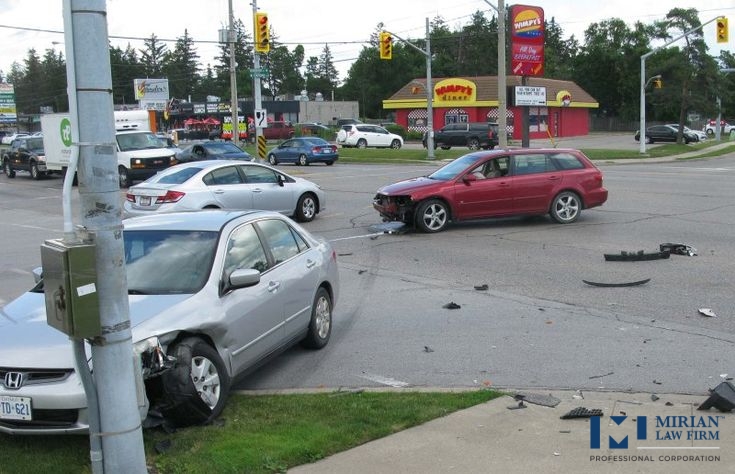
The moments after a car accident are chaotic. Your hands might be shaking, your mind racing. Maybe you’re hurt, maybe you’re scared, or maybe you’re just trying to process what happened. In these vulnerable moments, decisions you make can significantly impact your future—your recovery, your finances, and your legal rights.
Here’s what most people don’t realize: Ontario’s car accident laws are designed to be complex. Insurance companies count on confusion. They know that accident victims who don’t understand their rights are more likely to accept lowball settlements or miss critical deadlines. But you’re not powerless. When you know what you’re entitled to and how the system works, you can protect yourself.
This guide breaks down everything you need to know about your legal rights after a car accident in Ontario. Whether you were rear-ended at a stoplight in Toronto, T-boned at an intersection in Mississauga, or hit by a distracted driver on the 401, these rights apply to you.
Your Immediate Rights at the Accident Scene
The first thing to understand is this: you have the right to protect yourself, both physically and legally. Ontario law is clear about what must happen after a collision.
You Have the Right to Call Police
If anyone is injured, if there’s property damage exceeding $2,000, or if you suspect impaired driving, you have the right—and the legal obligation—to report the accident to police. Don’t let the other driver talk you out of this. A police report creates an official record that becomes crucial evidence for your personal injury claim.
Critical Immediate Actions
- Check for injuries and call 911 if needed
- Move to a safe location if possible
- Exchange insurance information with other drivers
- Document the scene with photos and videos
- Get witness names and contact information
- Never admit fault or apologize
You Have the Right to Medical Assessment
Even if you feel “fine,” you have the right to seek immediate medical attention. Adrenaline masks pain. Injuries like whiplash, concussions, and soft tissue damage often don’t manifest symptoms until hours or days later. Getting checked out right away isn’t just smart for your health—it creates a medical record linking your injuries directly to the accident, which insurance companies can’t dispute.
Understanding Ontario’s No-Fault Insurance System
Let’s clear up the biggest misconception: “no-fault” doesn’t mean nobody was at fault. It means you claim accident benefits from your own insurance company, regardless of who caused the collision. This system exists to ensure injured people get medical care and income support quickly, without waiting for lengthy fault determinations.
What No-Fault Actually Means
Under Ontario’s Statutory Accident Benefits Schedule (SABS), every driver is entitled to certain benefits from their own insurer. You could be 100% at fault, 0% at fault, or anywhere in between—you still access these benefits. This is your safety net for immediate needs.
However, here’s the catch: these no-fault benefits have limits. They cover essential medical care, rehabilitation, and a portion of lost income, but they don’t compensate you for pain and suffering or full economic losses. That’s where the tort system (suing the at-fault driver) comes in—but more on that later.
Important: Report to Your Insurer Within 7 Days
You must notify your insurance company within 7 days of the accident, regardless of fault. Missing this deadline can jeopardize your entire claim for accident benefits. Don’t wait to “see how you feel”—report it immediately.
What Accident Benefits Cover in Ontario
Your accident benefits package under SABS includes several categories. Understanding what you’re entitled to helps ensure you’re not shortchanged.
Medical and Rehabilitation Benefits
This covers treatment from healthcare providers: physiotherapy, chiropractic care, massage therapy, psychological counseling, and more. For most injuries, you’re entitled to up to $65,000 over the life of your claim. If you’re deemed catastrophically impaired, this limit jumps to $1,000,000.
Income Replacement Benefits (IRB)
If you can’t work due to your injuries, you’re entitled to 70% of your pre-accident income, up to a maximum of $400 per week (or $600/week if you purchased enhanced coverage). You qualify if you’re substantially unable to perform the essential tasks of your pre-accident employment.
Attendant Care Benefits
If your injuries require someone to help with basic activities of daily living (bathing, dressing, meal preparation), attendant care benefits provide up to $3,000 per month for non-catastrophic injuries, or significantly more for catastrophic cases.
Other Available Benefits
- Caregiver Benefits: If you can’t care for a dependent
- Housekeeping and Home Maintenance: Up to $100 per week
- Transportation Expenses: Mileage for medical appointments
- Death and Funeral Benefits: Up to $25,000
The reality is that insurance companies routinely deny or minimize these benefits. They’ll argue your injuries aren’t severe enough, that treatment isn’t “reasonable and necessary,” or that you can return to work sooner than your doctors recommend. This is why having an experienced personal injury lawyer in Toronto on your side matters.
When You Can Sue: Understanding the Tort Claim
Accident benefits are just one piece of the puzzle. If another driver was at fault for the accident, you may have the right to pursue a tort claim (lawsuit) against them for damages not covered by SABS.
What a Tort Claim Recovers
A successful tort claim can compensate you for:
- Pain and Suffering: Non-economic damages for physical pain, emotional distress, loss of enjoyment of life
- Lost Income Beyond IRB: The full 30% gap, plus future income loss if you can’t return to work
- Future Care Costs: Ongoing medical needs, medication, assistive devices
- Loss of Competitive Advantage: Reduced earning capacity in the job market
- Family Law Claims: Compensation for your spouse or dependents if your injuries affect their lives
However—and this is critical—Ontario law restricts who can sue for pain and suffering. You must meet the “serious injury threshold.”
The Serious Injury Threshold: Can You Sue for Pain and Suffering?
Under Ontario’s Insurance Act, you can only sue for non-economic damages (pain and suffering) if your injuries are considered “serious and permanent.” Specifically, you must prove the accident resulted in:
- Permanent serious disfigurement, or
- Permanent serious impairment of an important physical, mental, or psychological function
What Qualifies as “Serious and Permanent”?
This is where the battle lines are drawn. Insurance companies will argue your injuries are minor, temporary, or pre-existing. They’ll hire their own medical experts to downplay your condition. You need compelling medical evidence showing:
- The injury is medically documented and objectively verifiable
- It causes significant, ongoing functional limitations
- It’s permanent (meaning lasting effects despite optimal treatment)
- It substantially affects your ability to work, care for yourself, or enjoy life activities
Common qualifying injuries include traumatic brain injuries, spinal cord damage, amputations, severe fractures, chronic pain syndromes, and psychological trauma like PTSD. But even “soft tissue” injuries can meet the threshold if properly documented and argued.
This is precisely where most accident victims lose out by going it alone. An experienced car accident lawyer knows how to build an airtight medical-legal case that survives the insurer’s challenges.
Common Insurance Company Tactics (And How They’ll Try to Diminish Your Claim)
Let’s be blunt: insurance companies are businesses. Their profit comes from paying out as little as possible. They have entire departments dedicated to minimizing claims, and they’re very good at it.
Early Settlement Offers
Within days of your accident, you might receive a settlement offer. It’ll seem generous. Don’t take it. These early offers come before you know the full extent of your injuries, before you’ve missed work, before chronic pain sets in. Once you sign, you waive your right to future compensation. What seems like $10,000 today might cost you $100,000 tomorrow.
Recorded Statements
Adjusters will ask you to give a recorded statement “just to get your side of the story.” Anything you say can and will be used to minimize your claim. They’re fishing for inconsistencies, admissions of fault, or statements that downplay your injuries. You have the right to decline and have your lawyer handle communications.
Red Flag Tactics to Watch For
- Pressuring you to settle quickly
- Claiming you don’t need a lawyer
- Delaying benefit payments to create financial pressure
- Surveillance and social media monitoring
- Requesting unnecessary Independent Medical Examinations (IMEs)
- Arguing pre-existing conditions caused your injuries
The “Independent” Medical Exam That Isn’t
Your insurer has the right to request an Independent Medical Examination (IME). Despite the name, these exams are rarely independent. The doctors are hired by the insurance company and often produce reports minimizing your injuries. You must attend, but you should prepare carefully—ideally with guidance from your Ontario personal injury lawyer.
How to Protect Your Claim: Essential Steps
Your actions after an accident directly impact the strength of your claim. Here’s how to protect yourself:
1. Document Everything
- Keep a pain journal detailing symptoms, limitations, and how injuries affect daily life
- Save all medical bills, receipts, and records
- Photograph injuries as they develop and heal
- Track missed workdays and income loss
- Maintain a log of all insurance communications
2. Follow Medical Advice Religiously
Attend every appointment. Follow every treatment recommendation. Complete prescribed therapies. Gaps in treatment are seized upon by insurers as “proof” your injuries aren’t serious. Consistency in medical care demonstrates consistency in the severity of your condition
3. Be Cautious on Social Media
Assume your insurance company is watching your Facebook, Instagram, and other accounts. A single photo of you smiling at a family gathering can be twisted into “evidence” you’re not really injured. Set profiles to private and avoid posting anything about your accident, injuries, or activities.
4. Don’t Sign Anything Without Legal Review
Every document from the insurance company should be reviewed by your lawyer before you sign. Medical authorizations can be overly broad, giving insurers access to your entire medical history. Settlement releases are permanent and final.
5. Understand the Limitation Periods
In Ontario, you generally have two years from the accident date to file a lawsuit for personal injury. For accident benefits disputes, different timelines apply. Missing these deadlines can permanently bar your claim. Don’t wait—consult a lawyer early.
When You Need a Car Accident Lawyer (And Why It Matters)
You might be wondering if you really need a lawyer. Can’t you just handle this yourself? Technically, yes. But here’s what you’re up against: insurance companies have teams of lawyers, adjusters, and medical experts working to minimize your claim. You’re one person, likely injured, dealing with medical appointments, missing work, and trying to recover.
Signs You Should Contact a Lawyer Immediately
- You suffered significant injuries requiring hospitalization or ongoing treatment
- Your injuries prevent you from working or affect your daily activities
- You’re experiencing chronic pain or psychological trauma
- The insurance company denied or reduced your accident benefits
- Fault for the accident is disputed
- The other driver was uninsured or underinsured
- You’re being pressured to settle quickly
- Multiple vehicles or complex circumstances are involved
What a Personal Injury Lawyer Does for You
At Mirian Law Firm, our experienced disability and personal injury lawyers handle every aspect of your claim:
- Investigate the accident thoroughly, gathering evidence and witness statements
- Handle all insurance communications so you don’t say something that hurts your case
- Coordinate with medical experts to document the full extent of your injuries
- Calculate the true value of your claim, including future losses
- Fight benefit denials and insurance company tactics
- Negotiate settlements that reflect your actual damages
- Take your case to court if a fair settlement can’t be reached
No Fees Unless You Win
Mirian Law Firm works on a contingency basis. You pay nothing upfront, and we only get paid if we recover compensation for you. Your initial consultation is completely free, with no obligation. We serve clients across Ontario, including Toronto, Mississauga, Hamilton, and the Greater Toronto Area.Get Your Free Case Review
Frequently Asked Questions About Car Accident Rights in Ontario
What if I was partially at fault for the accident?
Ontario follows a “contributory negligence” system. Even if you were partially at fault, you can still claim accident benefits from your insurer and potentially sue the other driver for their share of responsibility. Your compensation may be reduced by your percentage of fault, but you’re not barred from recovery entirely.
What if the at-fault driver doesn’t have insurance?
Ontario requires all drivers to carry insurance, but some don’t. If you’re hit by an uninsured driver, you can claim through your own insurer’s Uninsured Automobile Coverage, which is mandatory on all policies. You’re still entitled to accident benefits and can pursue a tort claim as if the at-fault driver had insurance.
How much is my car accident claim worth?
Every case is unique. Value depends on injury severity, impact on your life and work, fault determination, available insurance coverage, and strength of evidence. Damages calculations include economic losses (medical bills, lost income, future care) and non-economic damages (pain and suffering). A lawyer can provide an informed estimate after reviewing your specific circumstances.
Should I accept the first settlement offer?
Almost never. Early offers are typically far below what your claim is actually worth. Insurance companies make these offers before the full extent of your injuries is known, hoping you’ll settle cheap. Once you accept and sign a release, you can’t come back for more money later, even if your condition worsens.
What if my injuries don’t appear until weeks after the accident?
This is common. Many injuries, especially soft tissue damage, whiplash, and concussions, have delayed symptom onset. See a doctor as soon as symptoms appear and report them to your insurance company immediately. Make sure medical records clearly link the delayed symptoms to the accident. This is another reason not to rush into a settlement.
Do I still have a claim if I wasn’t wearing a seatbelt?
Yes, though it complicates matters. Not wearing a seatbelt is a Highway Traffic Act violation, and insurance companies will argue it contributed to your injuries. While you can still claim benefits and sue, your compensation might be reduced if the insurer proves the seatbelt would have prevented or lessened your injuries.
What’s the difference between accident benefits and a lawsuit?
Accident benefits (SABS) are no-fault benefits you claim from your own insurer for immediate medical care, income replacement, and rehabilitation. A lawsuit (tort claim) is against the at-fault driver for additional damages like pain and suffering, full economic losses, and future care needs. You can pursue both simultaneously if you meet the threshold for suing.
How long does a car accident claim take in Ontario?
It varies widely. Accident benefits claims can be resolved in months if straightforward, or take years if disputed. Tort claims typically take 1-3 years, sometimes longer if the case goes to trial. Factors include injury complexity, fault disputes, insurance company cooperation, and court backlogs. Your lawyer can provide a more specific timeline based on your case.
Protect Your Rights, Protect Your Future
A car accident doesn’t just damage vehicles—it can upend your entire life. Medical bills pile up. You miss work. Pain becomes your constant companion. Insurance companies, despite their friendly commercials, are focused on their bottom line, not your well-being.
Understanding your rights is the first line of defense. But understanding alone isn’t enough when you’re facing a complex legal system and well-funded corporate opposition. You need an advocate—someone who knows the tactics, understands the law, and fights for your best interests.
At Mirian Law Firm, we’ve helped countless Ontario accident victims secure the compensation they deserve. We handle motorcycle accidents, slip and fall cases, dog bite injuries, and all types of personal injury claims across Ontario. Our multilingual team speaks English, Farsi, Dari, Arabic, Cantonese, and Mandarin, serving diverse communities throughout the Toronto area and beyond.
Your rights are too important to leave to chance. If you’ve been injured in a car accident, don’t wait. The clock is ticking on your claim, and insurance companies are already building their defense.
Contact Mirian Law Firm Today
Free consultation. No fees unless we win. Let us fight for your rights while you focus on recovery.
Call: 1-844-888-8864